
News and Success Stories
A Taste of Sustainability: Macedonian Small Wineries Embracing Eco-Friendly Practices
In the heart of Macedonian growing wine tourism industry lies a remarkable initiative supported and facilitated by the Swiss Increasing Market Employability Program – IME. Led by Wine Berry, this initiative aims to cultivate sustainable wine tourism experiences while championing environmentally friendly practices among several small family wineries. Through the lens of the Climate, Environment, and Disaster Risk Reduction Integration Guidance (CEDRIG) tool developed by the Swiss Agency for Development and Cooperation, participating wineries are not only elevating their tourist offerings but are also paving the way for a greener, more resilient future.
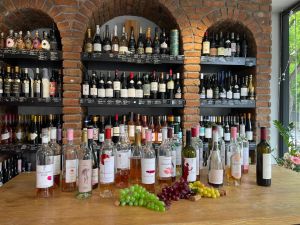 Wine Berry is a wine shop and bistro located in Skopje and deeply committed to sustainability. Collaborating with organizations like Pakomak and REDI Recycling, the wine bistro ensures that every aspect of its operations aligns with environmental best practices. Their dedication to recycling is driven by genuine enthusiasm, as they actively engage in activities to collect and repurpose empty wine bottles and carton boxes. What is more, the forthcoming investment in energy-efficient glass windows underscores their ongoing commitment to reducing their carbon footprint.
Within the supply chain of Wine Berry, these diverse small family wineries play pivotal roles, each contributing unique flavours and practices. For instance, Naumchevi Winery embraces the power of circular economy within the wine industry. By repurposing grape remnants into nutrient-rich compost for local farmers, they close the loop on waste and foster community resilience. This conscientious approach not only minimizes environmental impact but also enriches the soil, promoting long-term sustainability of agricultural practices in the region.
Taking a comprehensive approach to sustainability, Monastery Winery integrates natural resources into every work aspect. From utilizing river water for wine cooling systems to collaborating with local farmers for grape byproduct composting, they prioritize harmony with nature. Their partnership with Pakomak for glass recycling is yet another proof of their dedication to environmental practices.
Amidst the picturesque landscapes of Gevgelija lies Jostela Winery, a charming family-run small winery boasting three generations of winemaking expertise. Drawing from the pure waters of nearby Mount Kozhuv, they prioritize environmental consciousness by using tap water for drinking purposes. In doing so, Jostela not only preserves the authenticity of its wines but also nurtures the land it calls home, ensuring that every sip tells a story of respect for nature and heritage.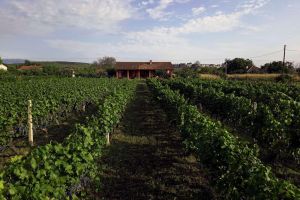
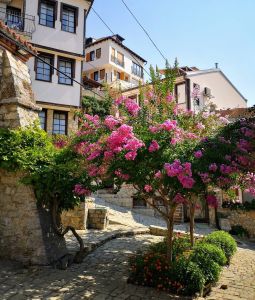
Moreover, Villa & Winery Mal Sveti Kliment, nestled in the UNESCO-protected old city of Ohrid, seamlessly integrates comfort with eco-responsibility. From thermal facades to energy-efficient lighting and solar panels, every aspect of the building reflects sustainability. Guests are invited to partake in eco-conscious amenities, including towel reuse and wine bottle recycling.
What is more, Jovanov Winery have installed energy-efficient windows, doors, and insulation at their facility. This significantly helps in saving energy for heating and cooling. Now, they’re taking it a step further by teaming up to fund a project for an energy-efficient heat pump. This winery also plans to install a small solar power system, which could generate a solid amount of energy. In this way, they are cutting down on harmful greenhouse gases. Just like Jostela Winery, they are also getting water from their own well and teaming up with Pakomak to recycle empty wine bottles.
 These small family wineries also find creative ways for alternative uses of grapevine prunings, as they are rich in carbon and nutrients, thus improving soil health. Some of them also repurpose prunings for decorative purposes, using them to make furniture, artwork, or rustic décor items, adding a unique touch to winery spaces or products. Kartal Winery stands for a responsible waste management and creative solutions such as repurposing used corks into souvenirs. In addition, Brzanov Artisan Winery also exemplifies the intersection of craftsmanship and sustainability. They use recyclable cork stoppers and grow organic grapes while actively managing waste.
All in all, as the Macedonian wine industry continues to flourish, initiatives like the one headed by Wine Berry pave the way for a more sustainable future. Through a collective commitment to environmentally friendly practices – from waste management to energy efficiency – small family wineries are not only enhancing their tourist offerings but also safeguarding the natural beauty of the region for generations to come. With each glass raised in celebration, these wineries toast to a future where leisure and eco-responsibility converge seamlessly, creating unforgettable experiences that leave a positive impact on both visitors and the planet.


