
News and Success Stories
Building a Competitive Agribusiness Sector: Modern Workforce Prepared for New Technologies and Innovations
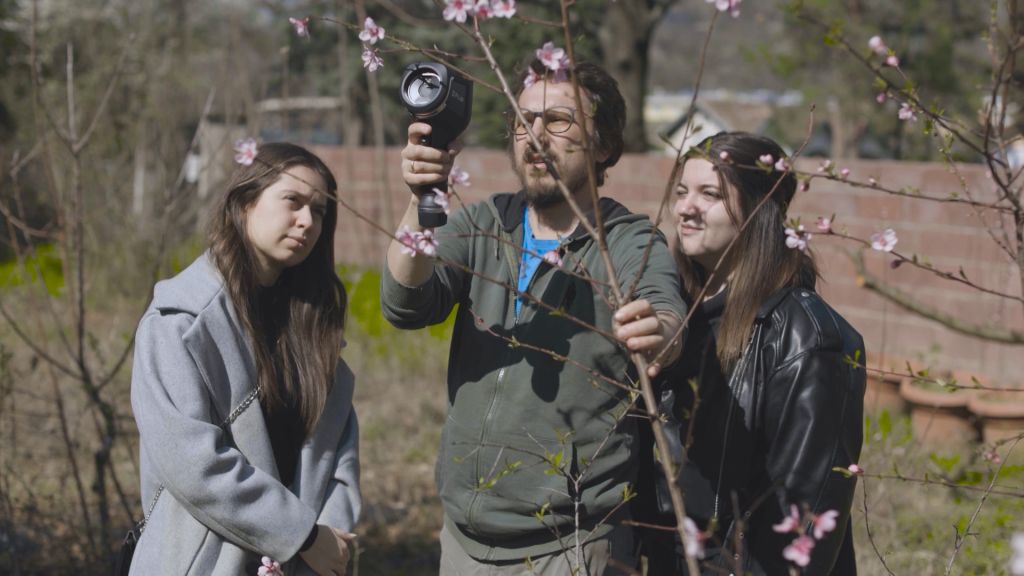
The modern agricultural engineer with a specialization in digital agriculture plays a key role in the transformation of Macedonian agricultural companies by improving management skills with new technologies, such as GPS or sensors for precise monitoring of soil and plant conditions, etc. Through practical work at the faculty, students get to know the possibilities of technological solutions and robotics.
Agriculture has always been crucial to the survival of mankind, but in today’s world, its importance is greater than ever. Faced with challenges such as climate change, increasing population and the need for sustainable management of resources, the future of our planet depends on innovative solutions in agriculture.
The digital transformation of agriculture is gaining an increasingly important role in improving the productivity and efficiency of the sector. With the advancement of technology in recent history and the implementation of artificial intelligence, the use of digital solutions provides innovations that change the way agricultural producers work. As the world’s population increases, so does the need for agricultural production, where the skills and management of digital technologies are essential to maximize quality and reliable yields.
Investing in the education and skills of young people to get involved in agriculture ensures a quality professional staff that will be able to cope with the challenges of modern agriculture. Apart from introducing modern agricultural techniques and technologies, such as precise agriculture and digital tools for monitoring agricultural production, one of the challenges is the training and education of agricultural producers to use new technologies and innovations. To respond to these growing demands, the Faculty of Agricultural Sciences and Food – Skopje developed a new bachelor and master study program ‘Digitalization in Agriculture’, under facilitation efforts of the Swiss Increasing Market Employability – IME.
The new study program combines traditional knowledge with the latest technological and digital innovations. This program is created for future leaders in the agricultural sector, who will apply digital technologies, automation, and big data to create sustainable and efficient agricultural practices. The faculty collaborates on various projects with the business community, which enables students to gain practice or secure employment, future students can also apply for scholarships through various programs and collaborations concluded by the faculty.
By recognizing the advantages of trained and professional staff, the opportunities for application and use of technologies increase exponentially, and with the optimal yields to produce quality, safe, and healthy food, competitiveness in the international market increases. What is more, the new study program aligns with the Smart Specialisation Strategy (S3), particularly focusing on developing human capital and skills for innovation, including in the agriculture sector. The curriculum is multidisciplinary, combining agricultural and food sciences with ICT and mechanization courses. The involvement of the business sector through guest lectures, field visits, and collaboration on thesis topics is also emphasized to ensure practical relevance.
To bolster this initiative, IME is actively involved in supporting various aspects of the project. This includes aiding in the establishment of a dedicated laboratory for ICT in agriculture and providing essential equipment to facilitate practical education. Additionally, IME is assisting in expanding outreach efforts to attract and recruit new students and businesses to the program.
This new study program is expected to accompany the digital transition by mainstreaming digitalization in higher education systems and reinforcing programs covering digital skills, with a specific application in the agri-food sector. Ultimately, such initiatives will enhance productivity, profitability, food security, and environmental sustainability in the agricultural sector on the long run.


